5.1.1 · Recall2026-10-10
- Functional Groups: the amide-ion pKa now matches the range textbooks give (35 to 38).
An orbit arcade game
One tap, two orbits, and a library of real courses: languages, sciences, medicine, logic and the great books.
Learn it in a lesson, recall it at a gate, keep it in an endless Feed that replaces scrolling. Everything returns on a spaced schedule until it sticks.
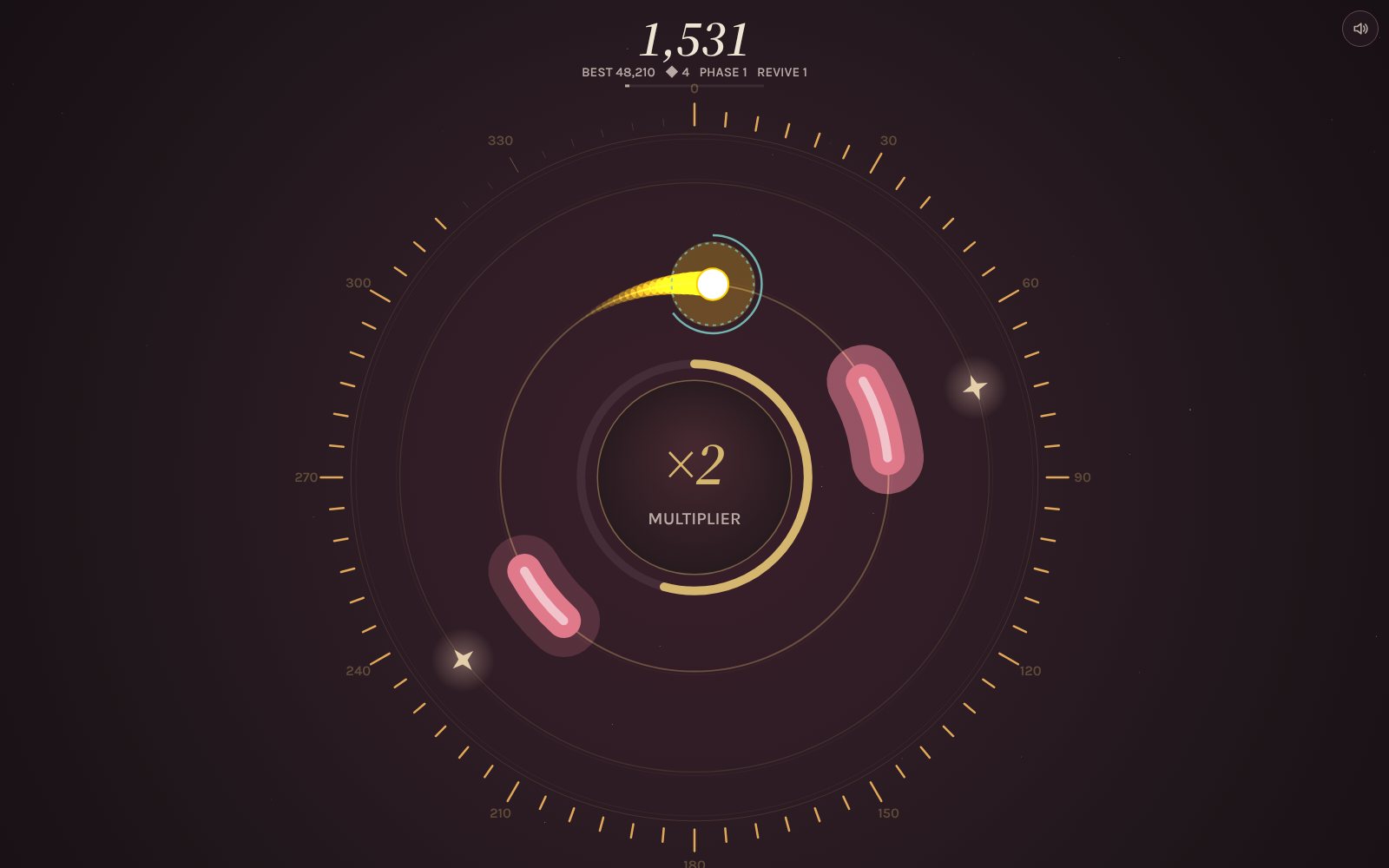
How it plays
Every run mixes a twitch arcade loop with a few seconds of honest recall. The game pays far more for remembering than for dodging.
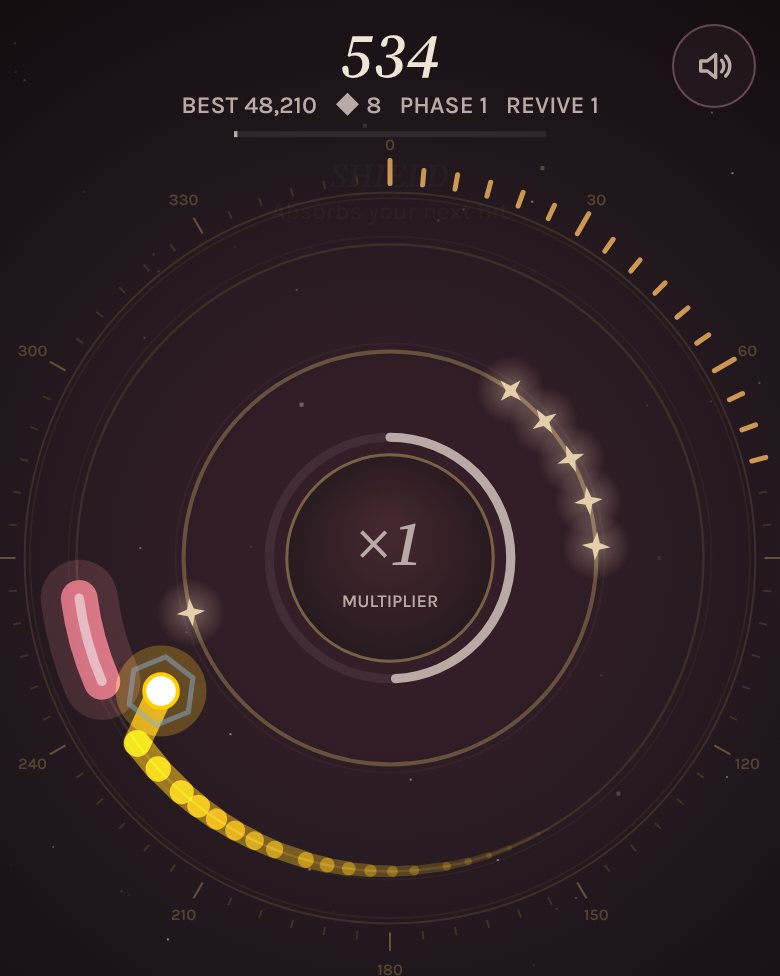
Tap to jump between orbits. Leave a block's lane at the last instant for a graze; chain them to build your multiplier and fill the Fever ring.
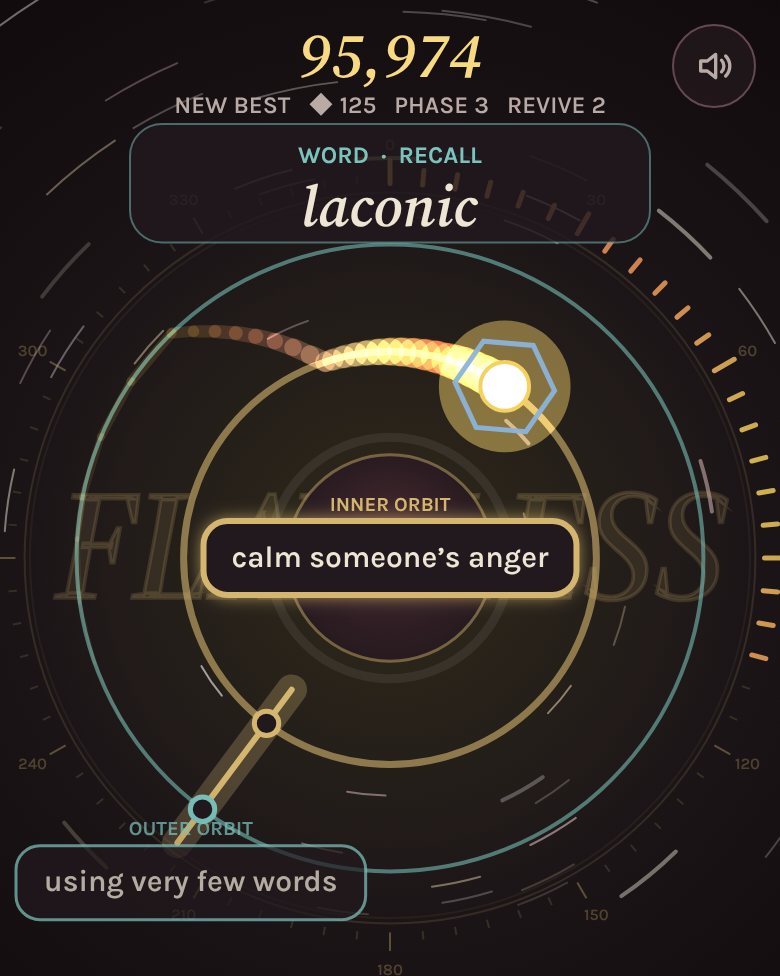
Time slows. You get a beat to remember, then two answers appear, one per orbit. Steer into the right one. A miss shows the answer and brings it back soon.
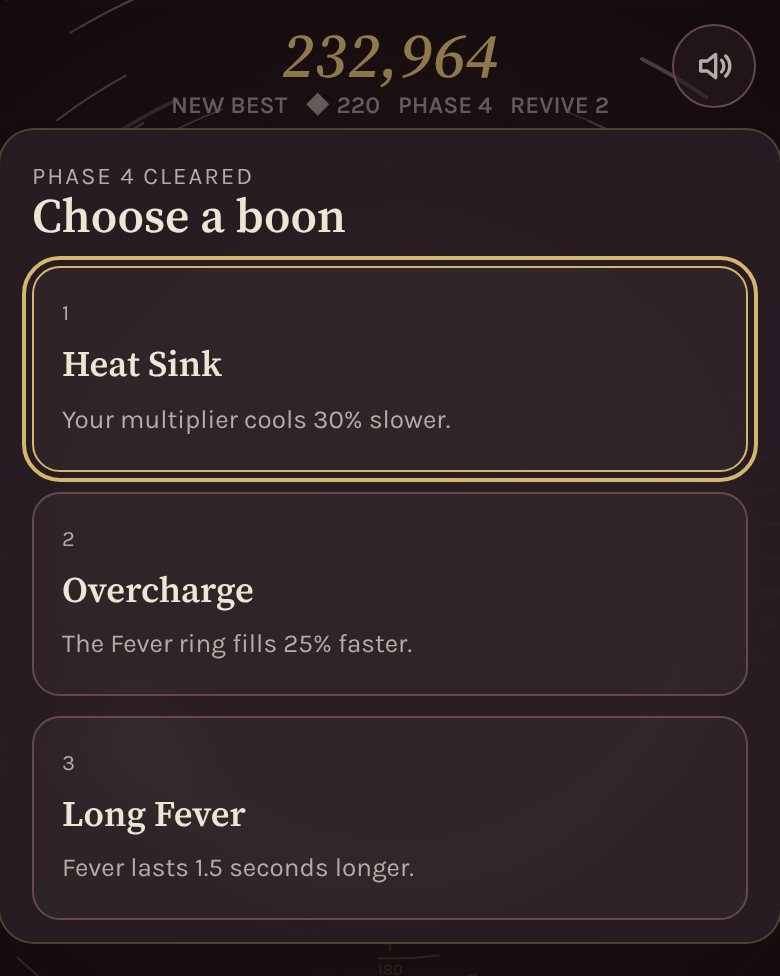
Pick boons after each bonus rush, grab shields and magnets, and if you crash, one right answer brings you back.
Three ways to learn
The same memory engine sits under all three, so a word you learn in a lesson comes back at a gate tomorrow and in the Feed next week.
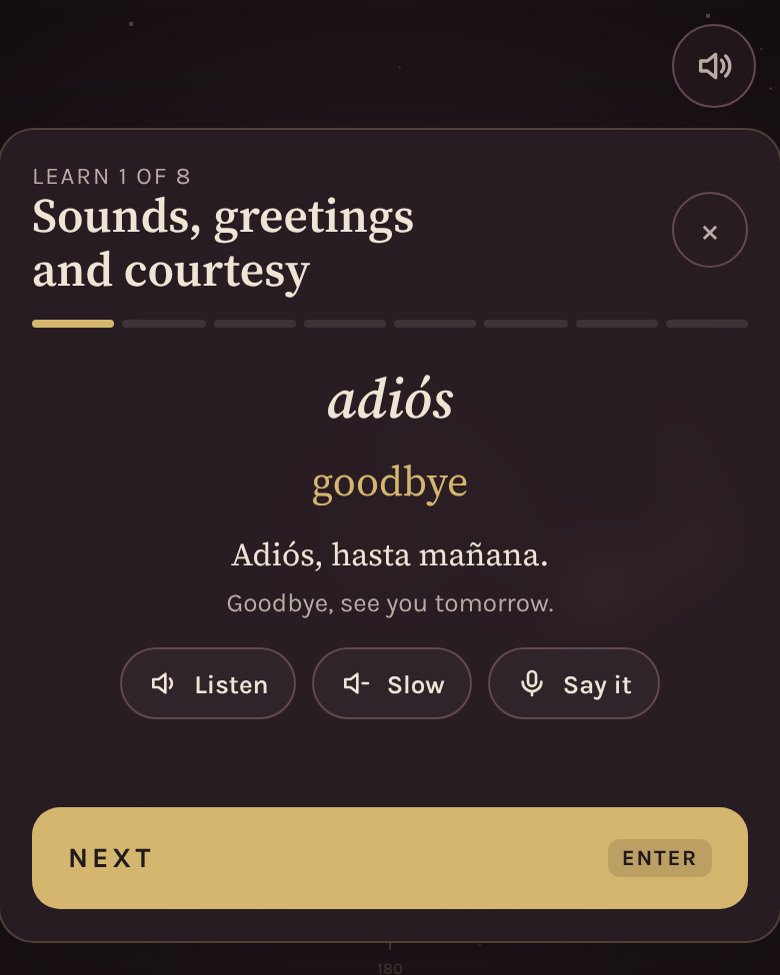
Eight new sigils at a time, each with an example, a picture where it helps, and audio. Say it back and the microphone checks you. Then a quick check, and into your schedule.
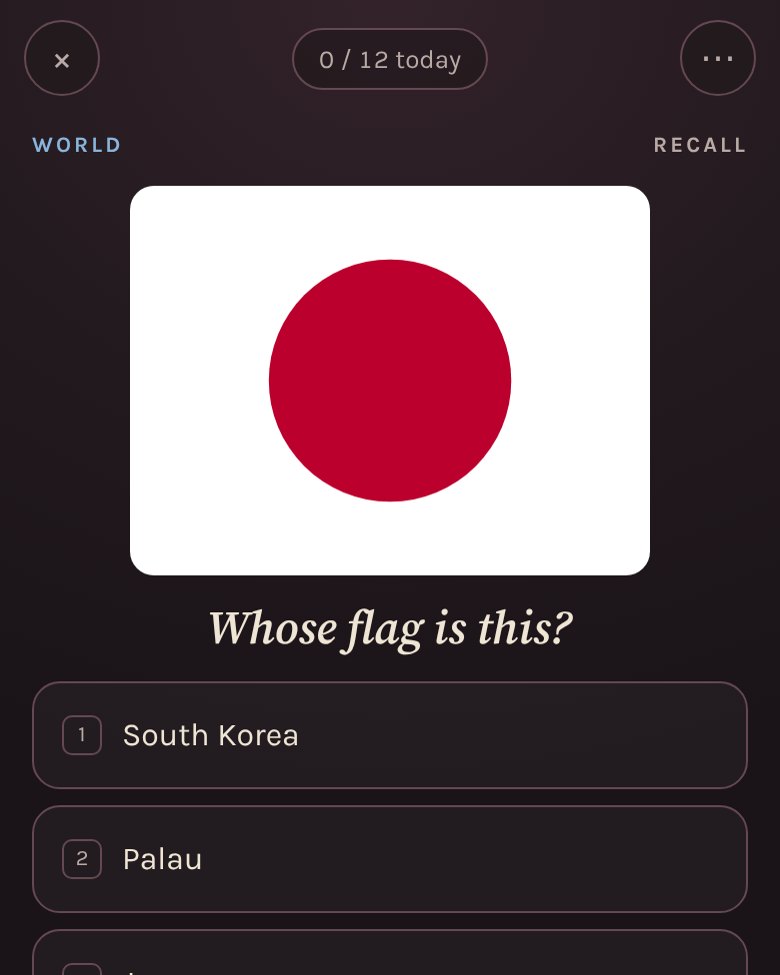
Swipe up through an endless stream of recall cards, new sigils, quick math, speaking and readings. Combos, golden cards and your streak keep it moving; every card is spaced review.
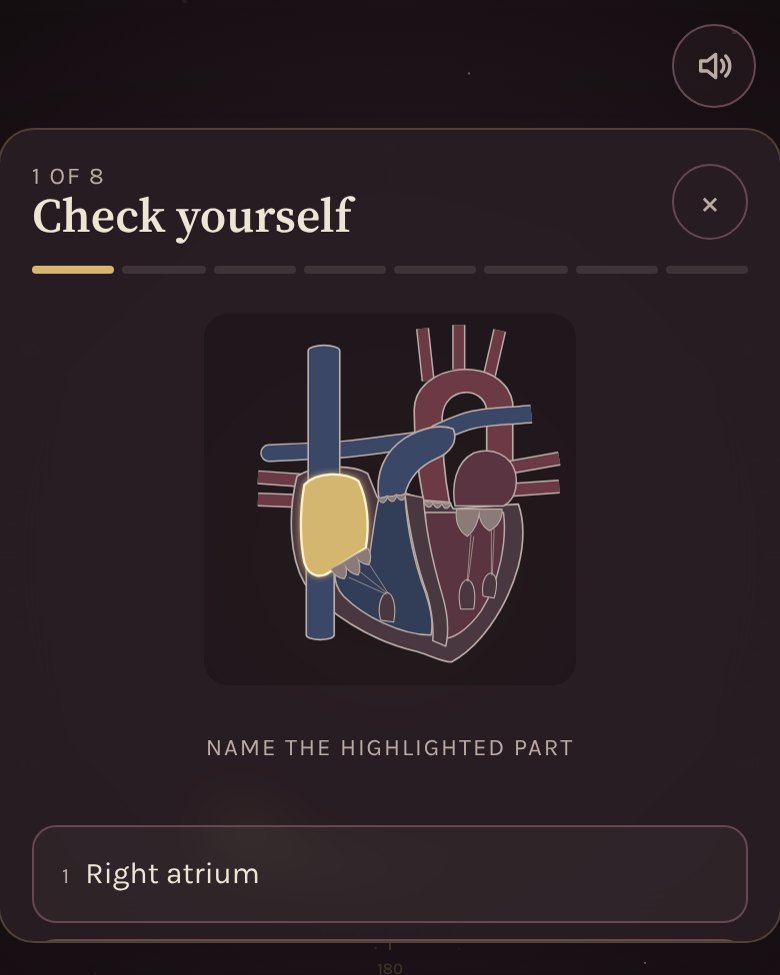
Name the highlighted part of the heart, a cell, the eye or a nephron. Find countries and states on the map, read the periodic table, and tell flags apart.
The science, honestly
Graze is built on the parts of learning research that hold up, and leaves out the parts that don't.
Pulling an answer out of memory strengthens it more than rereading, and spreading reviews out beats cramming. Gates follow a review clock from ten minutes to six months. Dunlosky et al., 2013
Knowing words and how they're built is a main driver of reading comprehension. Graze ships with Greek and Latin roots, 600 advanced words, and whole beginner courses in ten languages.
Words you say aloud are remembered better than words you read silently, an effect known as the production effect (MacLeod and colleagues, 2010). Lessons and the Feed ask you to say words back, and check you with the microphone where the browser supports it.
Nearly four hundred readings, from textbook-style explainers to exact passages from Plato, Augustine and Lincoln, each followed by questions you answer after the page closes. Reading pace only counts alongside understanding. Rayner et al., 2016
A daily ritual of twelve gates, anchored to a moment you choose. If-then plans have a medium-to-large effect on reaching goals across 94 studies.
Practicing a cognitive game makes you better at that game, with little transfer to anything else. Graze makes no such claim. Simons et al., 2016
Flashing words faster trades away comprehension. Graze rewards reading that you understand.
What to expect: five to thirty new items a day, at the pace you choose, held on a schedule that keeps most of them for months. Graze makes no promise about intelligence; it helps you remember what you practice. To check it yourself, test a set of words before and after a month of daily play against a set you never saw in the game.
The Library
Pick what you want to learn and put it in order: your first course is your focus, and the rest mix in. Courses are written against free, reputable sources: OpenStax and LibreTexts textbooks, COERLL language courses from UT Austin, the Dickinson College Commentaries, Perseus, MedlinePlus, the Stanford Encyclopedia of Philosophy and Project Gutenberg. Each course lists its sources and was checked item by item, and most of the language and science courses had a second, independent review.
Whole beginner-to-A2 courses with audio and pronunciation.
College-level science from open textbooks.
Pre-med foundations, anatomy and the language of medicine.
Mental math and calculus.
Logic, philosophy, psychology and the arguments for God.
Great books, the Bible, the ancients and advanced vocabulary.
Maps, flags, capitals and history.
Writing, research, strategy, martial arts and software.
Your progress
Updates
The game checks for new versions on its own and shows these notes once after each update.